Where to Source High-Quality Tirzepatide Peptide Safely
Where to Source High-Quality Tirzepatide Peptide Safely
Understanding What You Are Actually Buying
Tirzepatide is a dual glucose-dependent insulinotropic polypeptide (GIP) and glucagon-like peptide-1 (GLP-1) receptor agonist. It was developed by Eli Lilly and approved by the FDA in 2022 under the brand name Mounjaro for type 2 diabetes, and later as Zepbound for chronic weight management. The molecule is a 39-amino-acid synthetic peptide, meaning its quality depends heavily on synthesis precision, purity testing, and cold-chain handling. When sourcing tirzepatide peptide for any purpose, understanding the distinction between pharmaceutical-grade compounded preparations and research-grade material is the single most important factor in evaluating safety.
Licensed Compounding Pharmacies: The Highest Standard for Clinical Use
For patients working with a physician, FDA-registered 503A and 503B compounding pharmacies represent the gold standard for obtaining tirzepatide legally and safely. 503A pharmacies compound on a patient-specific prescription basis, while 503B outsourcing facilities produce larger batches subject to current Good Manufacturing Practice (cGMP) standards. Both are subject to state board of pharmacy oversight and, in the case of 503B facilities, direct FDA inspection.
When evaluating a compounding pharmacy, ask for a certificate of analysis (COA) from a third-party laboratory confirming peptide purity above 98%, correct molecular weight by mass spectrometry, and absence of endotoxins, heavy metals, and microbial contamination. Reputable compounders such as Empower Pharmacy, Hallandale Health, and Belmar Pharmacy have established track records and are accredited by organizations like the Pharmacy Compounding Accreditation Board (PCAB). Avoid any compounding source that cannot produce current third-party COAs on request.
Telehealth Platforms and How They Connect Patients to Sourcing
A growing number of telehealth providers — including Hims and Hers Health, Ro, and LifeMD — partner directly with licensed compounding pharmacies to prescribe and dispense compounded tirzepatide peptide to patients who qualify. This model is legitimate provided the prescribing clinician conducts a proper medical evaluation, the dispensing pharmacy is state-licensed, and the product ships with temperature-controlled packaging. The advantage of this pathway is end-to-end accountability: a licensed prescriber, a licensed pharmacy, and a documented patient record.
Critically, the FDA issued guidance in 2024 and 2025 clarifying that once a drug is removed from the shortage list, compounding of that drug becomes legally restricted. Tirzepatide's shortage status has fluctuated, so patients and clinicians must verify current regulatory standing before initiating or continuing a compounded supply chain.
Red Flags That Signal an Unsafe Source
The peptide market contains many suppliers marketing tirzepatide as a "research chemical" sold only for laboratory use. While some of these vendors do supply legitimate research institutions, the same distribution channels are frequently exploited to sell untested material to consumers. Warning signs include the following:
- No prescription required and no medical consultation offered
- COAs issued by the vendor's own internal lab rather than an independent accredited facility
- Shipping at ambient temperature rather than refrigerated or with cold packs
- Prices dramatically below compounding pharmacy pricing, which typically ranges from $150 to $400 per monthly supply
- No physical address, no pharmacist contact information, and no NABP or state licensing number listed
- Payment accepted only in cryptocurrency, which eliminates buyer recourse
A 2023 analysis by the Alliance for Pharmacy Compounding found that samples purchased from unregulated online peptide vendors showed purity ranging from below 70% to over 110% labeled potency, with several containing unidentified byproducts. Injecting an impure peptide introduces real risks including injection-site reactions, systemic inflammatory responses, and unpredictable pharmacodynamic effects.
Storage, Handling, and Verification After Purchase
Even high-quality tirzepatide peptide degrades rapidly outside proper storage conditions. Reconstituted solutions should be kept at 2 to 8 degrees Celsius and used within 28 days. Lyophilized (freeze-dried) powder has a longer shelf life but must still be stored refrigerated and away from light. Upon receiving any compounded preparation, inspect the vial for particulate matter, unusual color, or cloudiness, and verify the lot number against the COA provided. If the pharmacy cannot match the lot number on the label to a COA, treat the product as suspect.
Patients should also confirm that the preparation specifies tirzepatide base rather than a salt form, as some vendors use salt conversions to inflate apparent peptide weight. Authentic pharmaceutical compounders will clearly state the active ingredient, diluent, preservative (typically benzyl alcohol at 0.9%), and concentration in milligrams per milliliter on the product label and documentation.
The Role of Your Prescribing Clinician
No sourcing pathway is genuinely safe without physician oversight. A qualified prescriber evaluates contraindications including personal or family history of medullary thyroid carcinoma or multiple endocrine neoplasia syndrome type 2, monitors for pancreatitis, assesses renal function, and titrates dosing based on tolerability. The prescribing relationship also gives you legal protection and clinical recourse that purchasing through unregulated channels does not. If a provider is willing to recommend a source that bypasses a licensed pharmacy or cannot provide a documented prescription, that is a disqualifying signal regardless of how credible their website appears.
Recommended products
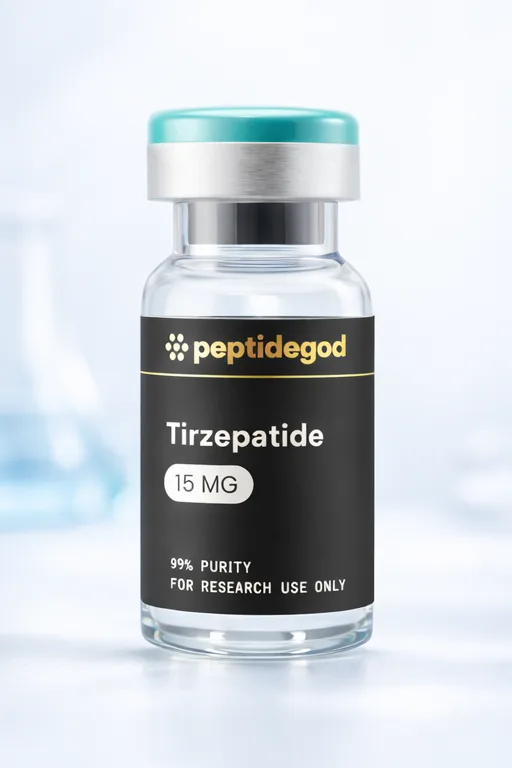
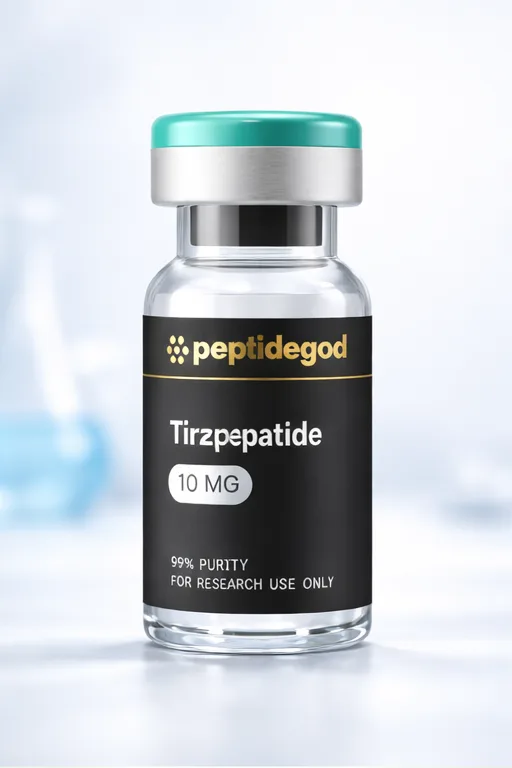
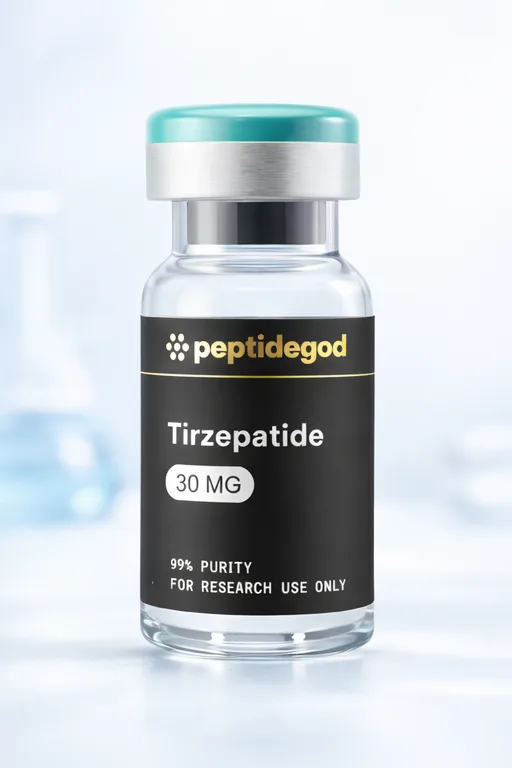
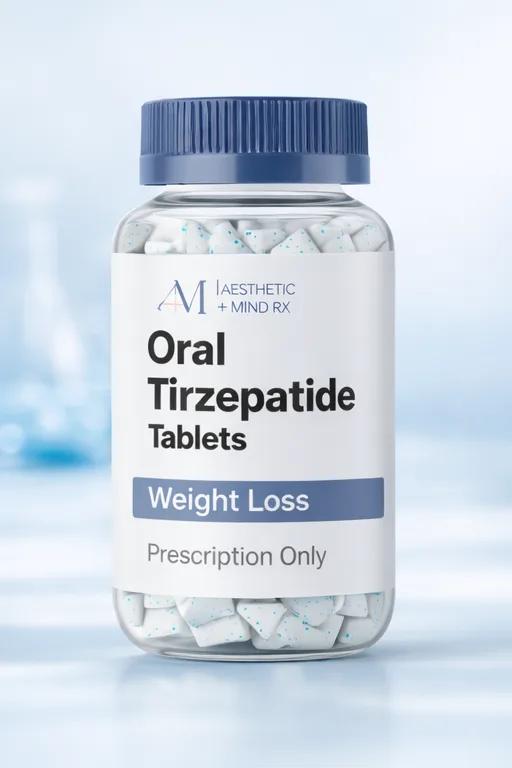
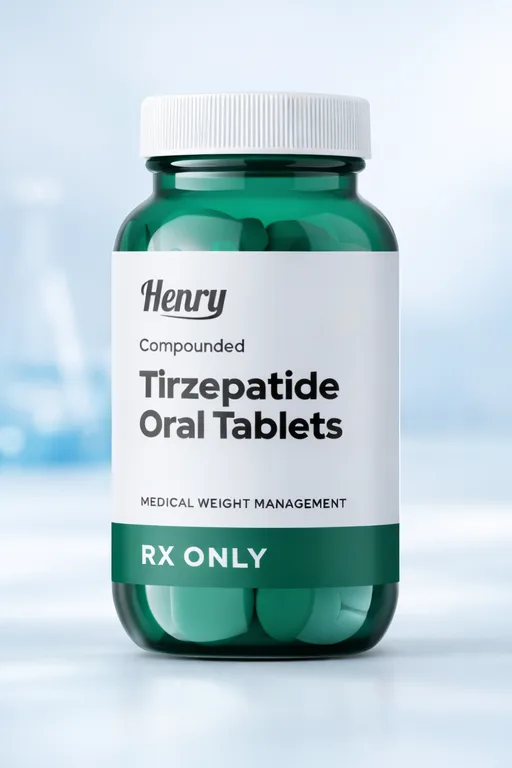
See top-rated vendors
Compare prices, purity and shipping at a glance.
Reviewed by the Tirzepatide Peptide Research Team · Last updated May 2026
References & Scientific Sources
- Ludvik B, et al. Tirzepatide versus insulin degludec (SURPASS-3). Lancet. 2021.
- Del Prato S, et al. Tirzepatide versus insulin glargine (SURPASS-4). Lancet. 2021.
- Coskun T, et al. Tirzepatide, a dual GIP/GLP-1 receptor agonist: mechanism. Mol Metab. 2018.
Sources are provided for educational reference. This content is informational and not a substitute for professional medical advice.