The Science Behind the Tirzepatide Peptide (GIP and GLP-1)
The Science Behind the Tirzepatide Peptide (GIP and GLP-1)
What Is Tirzepatide and How Does It Work?
Tirzepatide is a synthetic 39-amino acid peptide that simultaneously activates two incretin hormone receptors: the glucose-dependent insulinotropic polypeptide receptor (GIPR) and the glucagon-like peptide-1 receptor (GLP-1R). This dual agonism distinguishes it from earlier single-receptor agents like semaglutide or liraglutide, which target GLP-1R alone. By engaging both pathways at once, the tirzepatide peptide produces complementary metabolic effects that translate into greater reductions in blood glucose and body weight than either mechanism could achieve independently.
Developed by Eli Lilly and approved by the FDA in 2022 for type 2 diabetes and in 2023 for chronic weight management, tirzepatide is administered as a once-weekly subcutaneous injection. Its molecular backbone is derived from the native GIP sequence but incorporates a C20 fatty-acid chain that binds reversibly to albumin in the bloodstream, extending the half-life to approximately five days and enabling sustained receptor engagement between weekly doses.
The Role of GIP in Metabolic Regulation
Glucose-dependent insulinotropic polypeptide is secreted by K-cells in the duodenum and proximal jejunum within minutes of eating. Under normal conditions, GIP accounts for roughly 50 to 70 percent of the incretin effect — the amplified insulin response that occurs when glucose is delivered orally rather than intravenously. Beyond the pancreas, GIP receptors are expressed in adipose tissue, bone, and the central nervous system, giving the hormone a broad role in whole-body energy homeostasis.
In people with type 2 diabetes, the insulinotropic response to GIP is severely blunted, which led researchers to assume for decades that targeting GIPR would have limited therapeutic value. Tirzepatide challenged that assumption. When GIP receptor signaling is restored pharmacologically in combination with GLP-1R activation, the result is enhanced insulin secretion, improved glucagon suppression, and fat-mass reduction that exceeds what GLP-1R agonism alone delivers. Preclinical studies suggest that GIPR signaling in the hypothalamus contributes independently to appetite suppression and to increases in energy expenditure.
The Role of GLP-1 in Appetite and Glucose Control
Glucagon-like peptide-1 is released from L-cells in the ileum and colon after meals. Its primary pancreatic actions are to stimulate insulin secretion in a glucose-dependent manner and to suppress glucagon release, both of which lower postprandial blood sugar without triggering hypoglycemia when glucose is already within a normal range. GLP-1 also slows gastric emptying, spreading glucose absorption over a longer window and blunting post-meal blood sugar spikes.
GLP-1 receptors are widely expressed in the brain, including the hypothalamus, brainstem nucleus tractus solitarius, and mesolimbic reward circuits. Activation of these central receptors reduces hunger, prolongs satiety, and appears to diminish the hedonic drive to eat — explaining consistent patient reports of reduced food cravings rather than simple appetite suppression. By incorporating a GLP-1 component, the tirzepatide peptide inherits this well-characterized central mechanism and layers it on top of the additional effects mediated through GIPR.
Clinical Evidence: Weight Loss and Glycemic Outcomes
The SURMOUNT-1 phase 3 trial in adults with obesity but without diabetes found that participants receiving 15 mg of tirzepatide weekly lost an average of 22.5 percent of their body weight over 72 weeks — a magnitude previously associated only with bariatric surgery. For comparison, the most effective GLP-1-only agents achieve roughly 15 percent weight loss in comparable trials. The SURPASS program in type 2 diabetes showed tirzepatide outperforming semaglutide on both HbA1c reduction and body weight at every dose tested.
The mechanisms underlying these outsized results appear to involve at least three converging factors: enhanced insulin secretion from dual incretin receptor activation, greater suppression of appetite through complementary central and peripheral pathways, and an increase in energy expenditure that is not fully explained by calorie restriction alone. Some researchers hypothesize that GIPR agonism in brown adipose tissue raises thermogenesis, contributing additional weight loss beyond what dietary reduction accounts for.
Dosing, Safety, and Clinical Considerations
Tirzepatide follows a structured dose-escalation schedule to minimize gastrointestinal side effects, which are the most common adverse events reported. Treatment begins at 2.5 mg weekly and increases every four weeks as tolerated. The most frequent complaints — nausea, vomiting, diarrhea, and constipation — are dose-dependent and typically improve after the initial titration period.
- Starting dose: 2.5 mg subcutaneously once weekly for four weeks
- Maintenance doses available: 5 mg, 7.5 mg, 10 mg, 12.5 mg, and 15 mg
- Approved injection sites: abdomen, thigh, or upper arm
- Storage requirement: refrigerated at 36 to 46 degrees Fahrenheit; do not freeze
Tirzepatide carries a black-box warning regarding a potential association with thyroid C-cell tumors observed in rodent studies, a class-wide precaution shared with all GLP-1 receptor agonists. It is contraindicated in patients with a personal or family history of medullary thyroid carcinoma or multiple endocrine neoplasia syndrome type 2. Rare but serious risks include pancreatitis and acute kidney injury, the latter often secondary to dehydration from gastrointestinal side effects. Because tirzepatide is a prescription-only therapy, all treatment decisions must be made in consultation with a licensed healthcare provider who can evaluate individual risk factors, current medications, and weight-management goals.
Recommended products
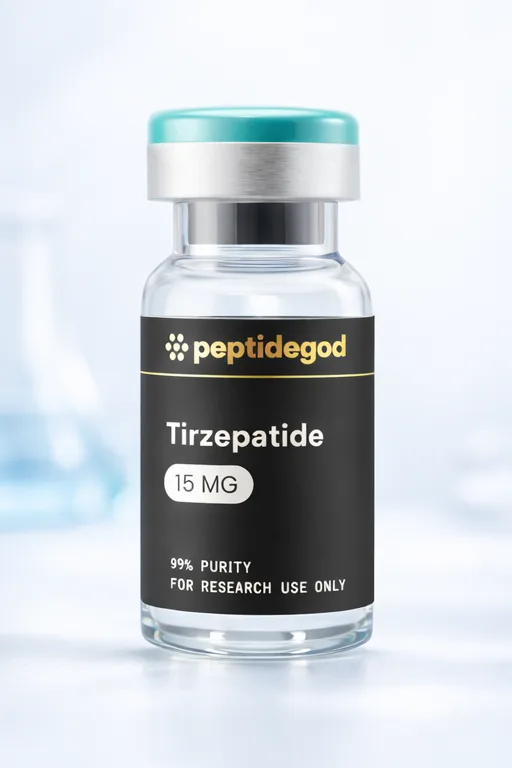
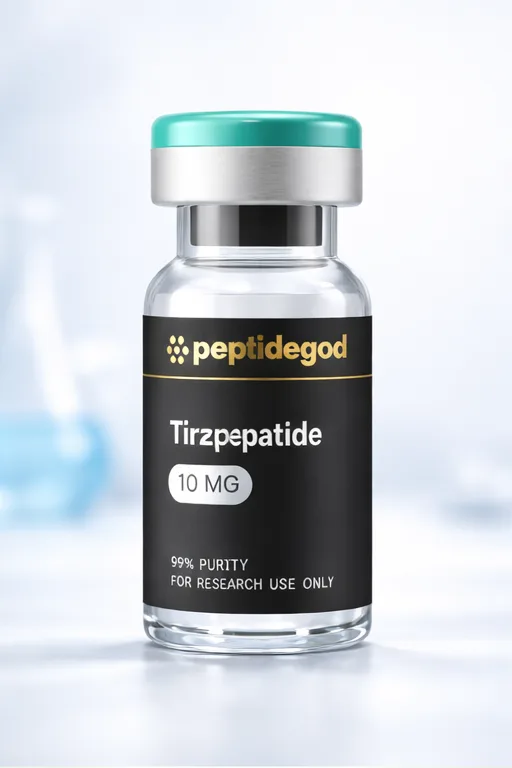
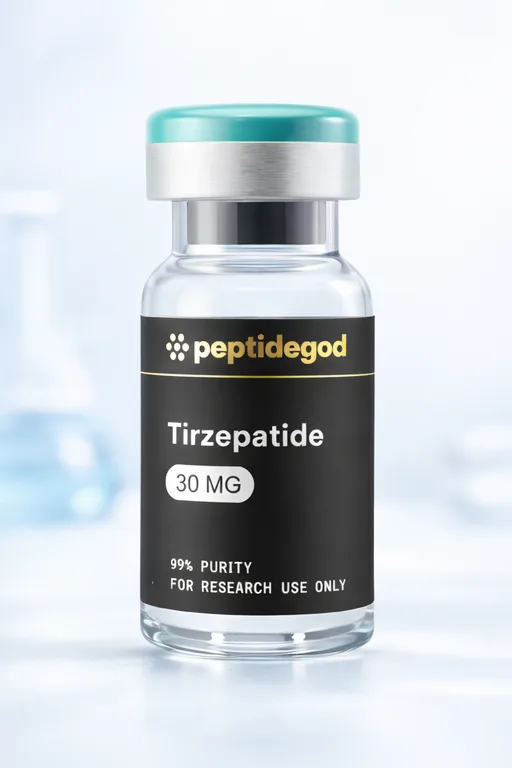
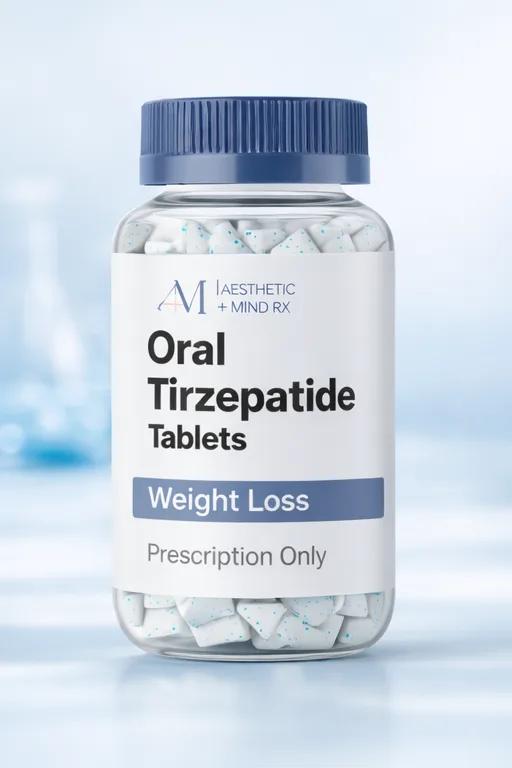
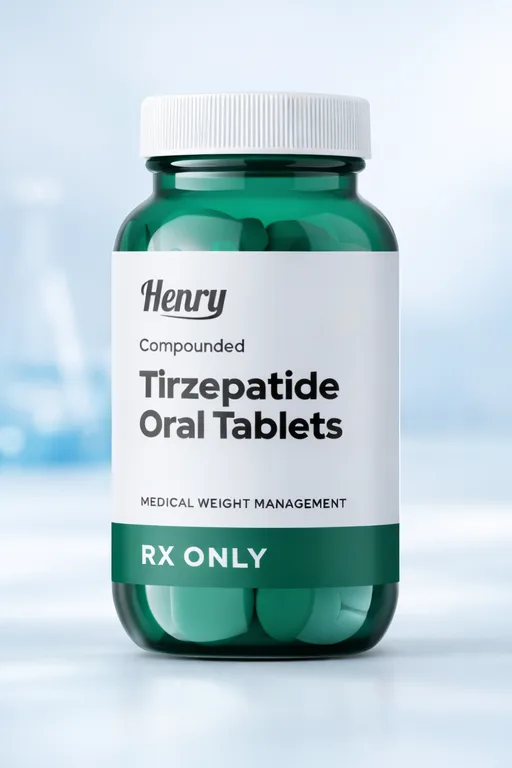
See top-rated vendors
Compare prices, purity and shipping at a glance.
Reviewed by the Tirzepatide Peptide Research Team · Last updated May 2026
References & Scientific Sources
- Ludvik B, et al. Tirzepatide versus insulin degludec (SURPASS-3). Lancet. 2021.
- Del Prato S, et al. Tirzepatide versus insulin glargine (SURPASS-4). Lancet. 2021.
- Coskun T, et al. Tirzepatide, a dual GIP/GLP-1 receptor agonist: mechanism. Mol Metab. 2018.
Sources are provided for educational reference. This content is informational and not a substitute for professional medical advice.