Tirzepatide Peptide for Weight Loss: A Complete Beginner's Guide
Tirzepatide Peptide for Weight Loss: A Complete Beginner's Guide
What Is Tirzepatide and How Does It Work?
Tirzepatide is a synthetic injectable medication that mimics two naturally occurring gut hormones: glucose-dependent insulinotropic polypeptide (GIP) and glucagon-like peptide-1 (GLP-1). This dual-receptor agonism sets it apart from older weight-loss drugs that target only one pathway. When you eat, your intestines release GIP and GLP-1 to regulate insulin, slow gastric emptying, and signal satiety to the brain. Tirzepatide amplifies both signals simultaneously, producing stronger appetite suppression and better blood sugar control than single-agonist treatments.
The tirzepatide peptide is a 39-amino-acid molecule engineered with a fatty-acid chain that extends its half-life to roughly five days, making once-weekly subcutaneous injections practical. It was originally developed by Eli Lilly under the brand name Mounjaro for type 2 diabetes, and later approved as Zepbound specifically for chronic weight management in adults with obesity or overweight plus at least one weight-related condition.
Clinical Results: How Much Weight Can You Lose?
The SURMOUNT-1 trial, which enrolled over 2,500 non-diabetic adults, is the landmark study for tirzepatide's weight-loss potential. Participants taking the highest dose of 15 mg weekly lost an average of 20.9 percent of their body weight over 72 weeks. To put that in concrete terms, a person starting at 250 pounds could expect to lose roughly 52 pounds. Even the lower 5 mg dose produced an average loss of about 15 percent, which outperforms most previously approved weight-loss medications.
Metabolic improvements accompany the weight loss. Trial participants saw reductions in waist circumference, fasting glucose, blood pressure, and triglycerides. These markers matter because excess visceral fat drives cardiovascular disease and insulin resistance independently of total body weight.
Dosing Schedule and Administration
Tirzepatide follows a structured dose-escalation protocol designed to minimize gastrointestinal side effects. Prescribers typically start patients at 2.5 mg once weekly for the first four weeks. The dose then increases by 2.5 mg every four weeks as tolerated, up to a maintenance dose between 5 mg and 15 mg weekly. The slow ramp-up is not optional — jumping to a higher dose too quickly is the most common reason patients experience persistent nausea or discontinue treatment.
Injections are self-administered using a prefilled auto-injector pen in the abdomen, thigh, or upper arm. Rotating injection sites reduces local skin reactions. The medication should be stored in a refrigerator but can remain at room temperature below 86 degrees Fahrenheit for up to 21 days once in use.
Side Effects and Who Should Avoid It
The most frequently reported side effects are gastrointestinal: nausea, diarrhea, vomiting, and constipation. These are most intense during dose increases and typically diminish as the body adapts. Eating smaller, low-fat meals and avoiding high-fiber foods on injection day can reduce discomfort. Serious but rare risks include pancreatitis, gallbladder disease, and — based on animal studies — a potential association with thyroid C-cell tumors, which is why tirzepatide carries a boxed warning and is contraindicated in people with a personal or family history of medullary thyroid carcinoma or MEN2 syndrome.
- Not appropriate for people with a history of pancreatitis
- Requires caution in patients with severe gastrointestinal disorders
- Contraindicated during pregnancy
- Should be used carefully alongside insulin or sulfonylureas due to hypoglycemia risk
Tirzepatide vs. Other GLP-1 Medications
Semaglutide (Ozempic, Wegovy) is the most widely known GLP-1 agonist, and head-to-head data from the SURMOUNT-5 trial published in early 2025 showed that tirzepatide produced significantly greater weight loss than semaglutide 2.4 mg over 72 weeks — roughly 20 percent versus 14 percent of body weight. The advantage likely comes from the added GIP receptor activity, which appears to enhance the brain's response to leptin and improve fat-cell metabolism beyond what GLP-1 alone achieves.
The tirzepatide peptide is also being studied for conditions beyond obesity and diabetes, including heart failure with preserved ejection fraction, sleep apnea, and non-alcoholic steatohepatitis (MASH), with early trial results showing meaningful benefits across all three areas.
What to Expect in the First Three Months
Most people notice reduced appetite and smaller portion satisfaction within the first one to two weeks, even at the starting 2.5 mg dose. Significant scale weight loss typically becomes visible by week four to eight once the dose reaches 5 mg or higher. The first three months are also when side effects are most likely to occur, so close communication with a prescribing clinician matters during this window.
Long-term success with tirzepatide depends on pairing the medication with sustainable dietary changes and regular physical activity. Clinical trials show that weight returns when the drug is discontinued, which means it is a chronic treatment rather than a short-term intervention. Anyone considering tirzepatide should approach it as one component of a broader metabolic health strategy rather than a standalone fix.
Recommended products
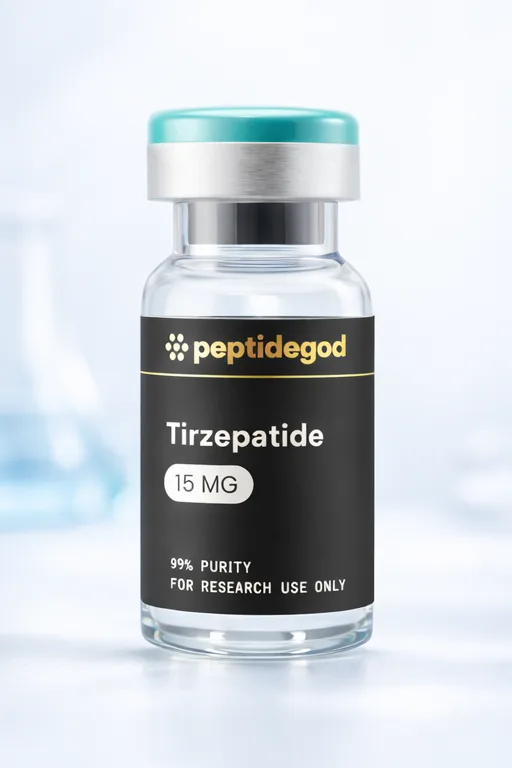
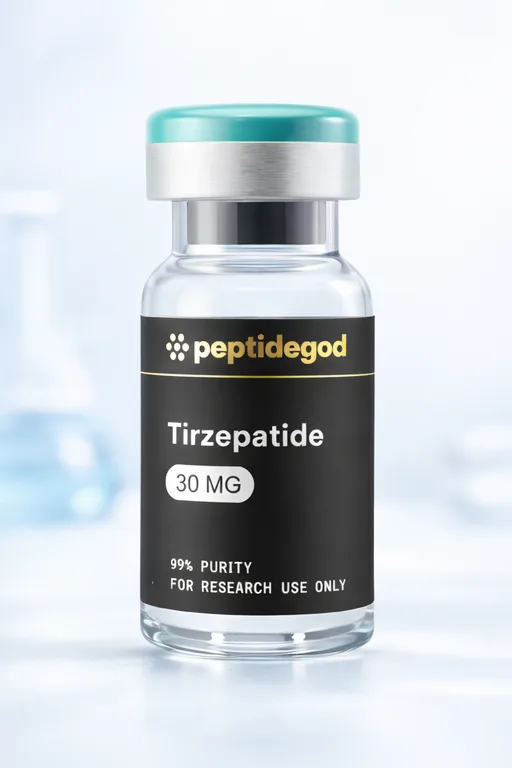
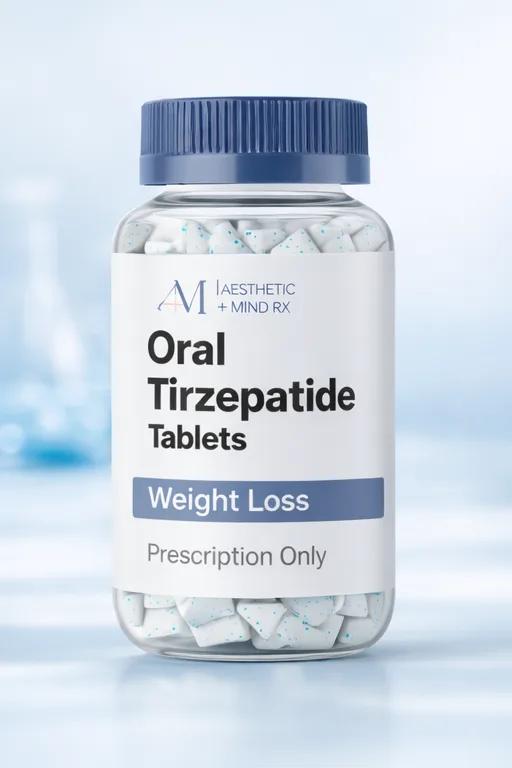
See top-rated vendors
Compare prices, purity and shipping at a glance.
Reviewed by the Tirzepatide Peptide Research Team · Last updated May 2026
References & Scientific Sources
- Ludvik B, et al. Tirzepatide versus insulin degludec (SURPASS-3). Lancet. 2021.
- Del Prato S, et al. Tirzepatide versus insulin glargine (SURPASS-4). Lancet. 2021.
- Coskun T, et al. Tirzepatide, a dual GIP/GLP-1 receptor agonist: mechanism. Mol Metab. 2018.
Sources are provided for educational reference. This content is informational and not a substitute for professional medical advice.