Tirzepatide Peptide Therapy: Benefits, Dosage, and Results
Tirzepatide Peptide Therapy: Benefits, Dosage, and Results
What Is Tirzepatide and How Does It Work
Tirzepatide is a synthetic peptide molecule that simultaneously activates two incretin hormone receptors: glucose-dependent insulinotropic polypeptide (GIP) and glucagon-like peptide-1 (GLP-1). This dual-agonist mechanism distinguishes it from older GLP-1 medications like semaglutide, which target only one pathway. By engaging both receptors, tirzepatide amplifies insulin secretion in a glucose-dependent manner, suppresses glucagon release, slows gastric emptying, and powerfully reduces appetite signaling in the hypothalamus. The result is a coordinated metabolic effect that addresses multiple root causes of obesity and type 2 diabetes simultaneously rather than a single downstream symptom.
The GIP component adds meaningful benefit beyond GLP-1 activation alone. GIP receptors are expressed in adipose tissue, and their stimulation appears to improve lipid metabolism and enhance the overall tolerability profile of the therapy. This synergy is why clinical trial data for tirzepatide peptide consistently outperforms earlier single-agonist medications on both weight reduction and glycemic control endpoints.
Clinical Benefits for Weight Loss and Metabolic Health
The SURMOUNT trial program demonstrated that tirzepatide produces weight loss outcomes previously seen only with bariatric surgery. Participants using the highest studied dose achieved average body weight reductions exceeding 20 percent from baseline over 72 weeks. Beyond the number on the scale, participants showed improvements in waist circumference, blood pressure, fasting triglycerides, and HDL cholesterol, pointing to broad cardiometabolic benefit rather than simple fat reduction.
For individuals with type 2 diabetes, the SURPASS trial series showed HbA1c reductions of 2 to 2.5 percentage points from baseline, with a significant proportion of participants reaching normal glycemic levels without additional medication. Insulin resistance markers also improved substantially, suggesting the therapy addresses underlying metabolic dysfunction rather than compensating for it.
Dosage Protocol and Titration Schedule
Tirzepatide is administered once weekly via subcutaneous injection, typically into the abdomen, thigh, or upper arm. Prescribers follow a structured titration schedule designed to minimize gastrointestinal side effects during the adjustment period. A standard initiation and escalation schedule proceeds as follows:
- Weeks 1 through 4: 2.5 mg once weekly (starting dose, not a therapeutic dose)
- Weeks 5 through 8: 5 mg once weekly
- Weeks 9 through 12: 7.5 mg once weekly
- Weeks 13 through 16: 10 mg once weekly
- Weeks 17 through 20: 12.5 mg once weekly
- Week 21 onward: 15 mg once weekly (maximum approved dose)
Not every patient requires escalation to 15 mg. Clinicians evaluate tolerability and therapeutic response at each stage and may maintain a patient at an intermediate dose if weight loss and glycemic goals are being met without significant side effects. Dose escalation is always guided by the prescribing physician and should never be self-adjusted.
Expected Results and Timeline
Most patients report noticeable appetite reduction within the first one to two weeks of therapy, even at the starting dose. Measurable weight loss typically becomes apparent by weeks four to eight as the dose increases into the therapeutic range. The trajectory of loss tends to be steepest in the first six months and then gradually decelerates as the body approaches a new metabolic set point. Patients who remain on therapy for 18 to 24 months continue to show incremental benefit, though the rate slows considerably after the first year.
Glycemic improvements in diabetic patients often appear earlier than weight changes, sometimes within the first month at 5 mg. This is consistent with the glucose-dependent insulin secretion mechanism, which activates immediately rather than requiring cumulative physiological adaptation.
Side Effects, Contraindications, and Important Considerations
The most common adverse effects associated with tirzepatide peptide therapy are gastrointestinal in nature: nausea, vomiting, diarrhea, and constipation. These effects are most pronounced during dose escalation and typically diminish as the body adapts over several weeks. Eating smaller meals, avoiding high-fat foods, and staying well hydrated substantially reduce their severity for most patients.
Tirzepatide carries a boxed warning regarding a potential risk of thyroid C-cell tumors observed in rodent studies, though a causal link in humans has not been established. It is contraindicated in individuals with a personal or family history of medullary thyroid carcinoma or multiple endocrine neoplasia syndrome type 2. Pancreatitis has been reported rarely and warrants discontinuation if suspected. Because tirzepatide is a prescription-only medication, a thorough medical evaluation including review of current medications, kidney function, and gastrointestinal history is required before initiation. It is not appropriate for cosmetic weight loss in metabolically healthy individuals without clinical obesity criteria.
Recommended products
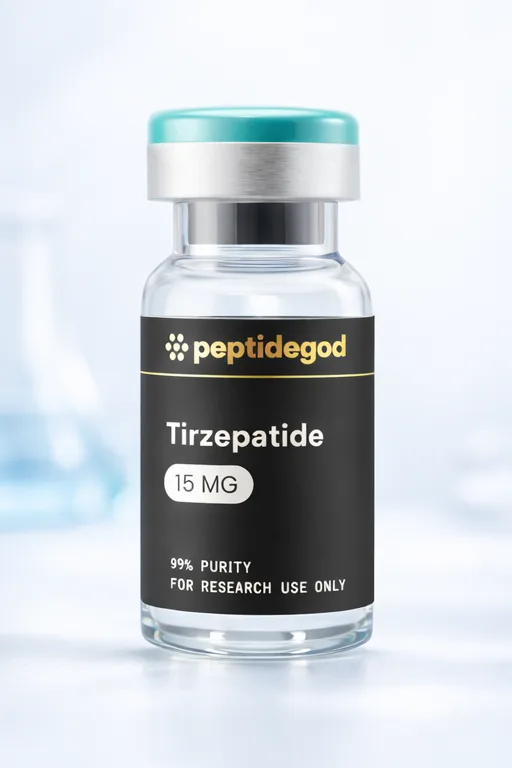
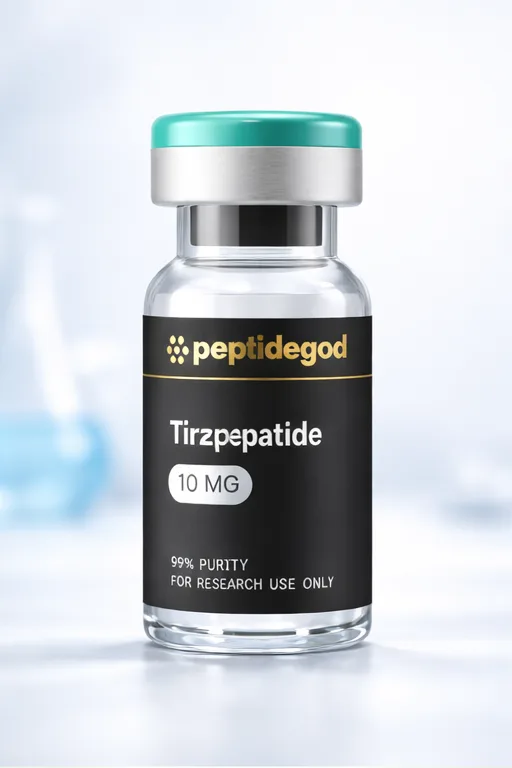

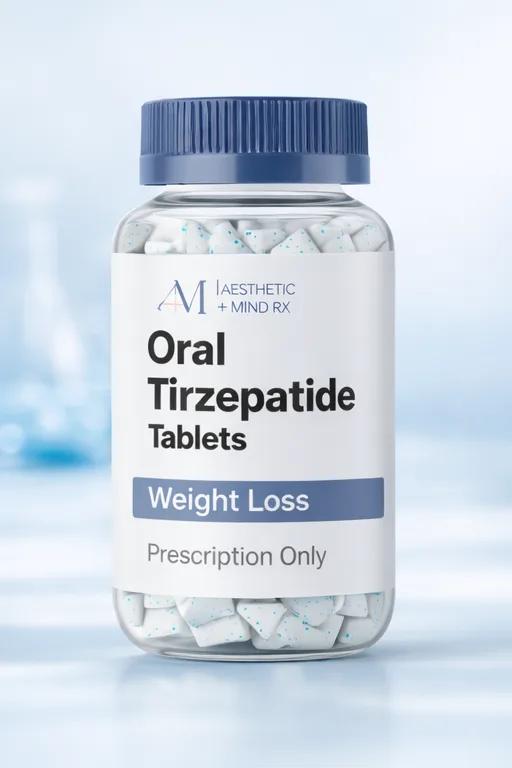

See top-rated vendors
Compare prices, purity and shipping at a glance.
Reviewed by the Tirzepatide Peptide Research Team · Last updated May 2026
References & Scientific Sources
- Ludvik B, et al. Tirzepatide versus insulin degludec (SURPASS-3). Lancet. 2021.
- Del Prato S, et al. Tirzepatide versus insulin glargine (SURPASS-4). Lancet. 2021.
- Coskun T, et al. Tirzepatide, a dual GIP/GLP-1 receptor agonist: mechanism. Mol Metab. 2018.
Sources are provided for educational reference. This content is informational and not a substitute for professional medical advice.