The Science of Tirzepatide: GLP-1/GIP Dual Agonism Explained for 2026
Tirzepatide is a first-in-class dual GIP and GLP-1 receptor agonist — we break down exactly how this mechanism drives its superior efficacy versus single-agonist GLP-1 drugs, and what the latest 2026 research reveals about long-term metabolic effects.
What the research shows
Key facts to know about tirzepatide.
Dual receptor agonist
Activates both GIP and GLP-1 — stronger metabolic effect than GLP-1 alone.
Cardio-metabolic benefits
Improvements in lipids, blood pressure and glycemic control reported.
Appetite & satiety
Delays gastric emptying and increases satiety signaling.
Favorable safety in trials
Phase 3 trials show acceptable safety; GI side effects are common.
Compounded options
Compounded versions available during brand shortages.
Ongoing research
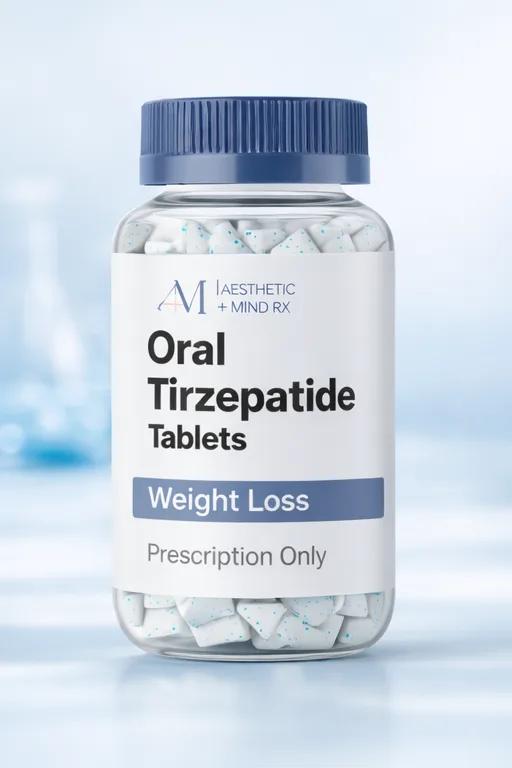
New oral formulations in late-stage development.
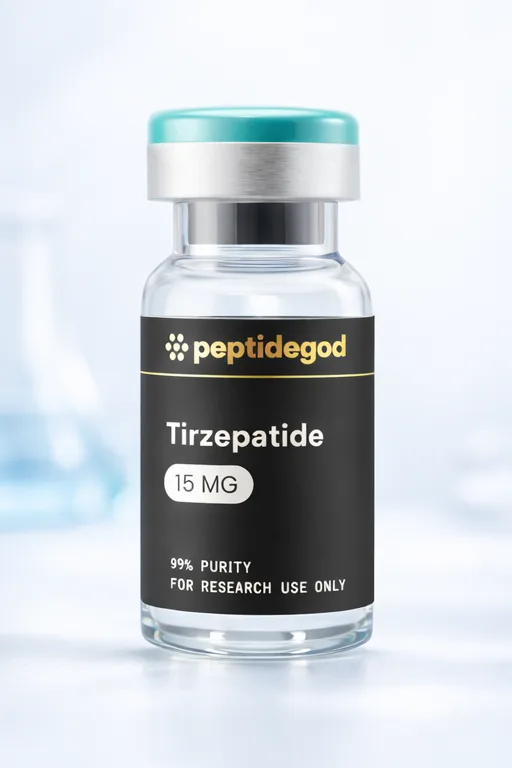
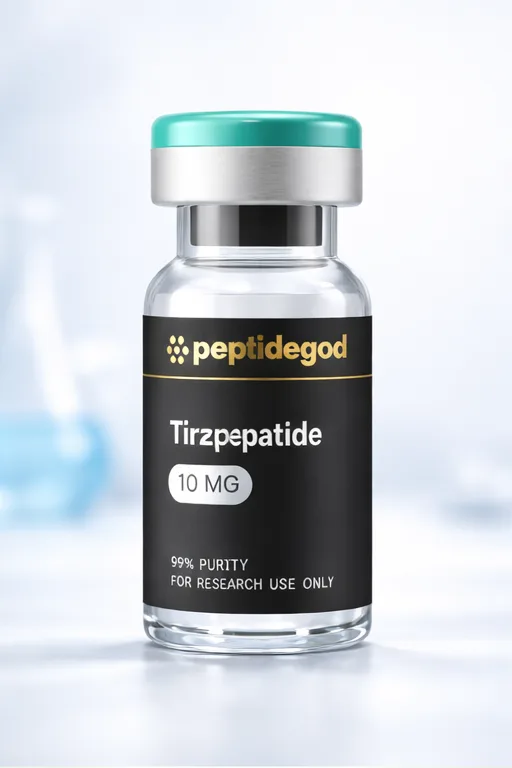
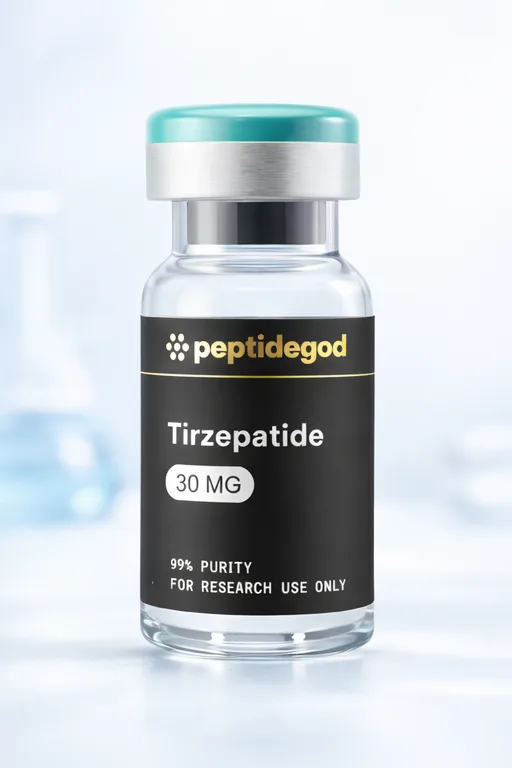
Top sources for 2026
Vendors that publish per-batch COA and ship globally.

Tirzepatide Science: Mechanism FAQs
Why does tirzepatide cause less nausea than semaglutide despite stronger weight loss?
Is tirzepatide a peptide or a small molecule drug?
How does tirzepatide's GIP activity differ from its GLP-1 activity?
What does the 2026 research say about tirzepatide's long-term metabolic effects?
Ready to pick a vendor?
Vetted list with per-batch COA and global shipping.
Reviewed by the Tirzepatide Peptide Research Team · Last updated May 2026
References & Scientific Sources
- Ludvik B, et al. Tirzepatide versus insulin degludec (SURPASS-3). Lancet. 2021.
- Del Prato S, et al. Tirzepatide versus insulin glargine (SURPASS-4). Lancet. 2021.
- Coskun T, et al. Tirzepatide, a dual GIP/GLP-1 receptor agonist: mechanism. Mol Metab. 2018.
Sources are provided for educational reference. This content is informational and not a substitute for professional medical advice.