Tirzepatide Peptide Reconstitution and Storage Instructions
Tirzepatide Peptide Reconstitution and Storage Instructions
What You Need Before You Begin
Proper preparation is the foundation of a safe and effective reconstitution process. Before handling any lyophilized tirzepatide peptide, gather all required materials: bacteriostatic water (BAC water, 0.9% benzyl alcohol), sterile syringes with appropriate gauges, alcohol swabs, a sterile vial, and a clean surface or laminar flow area if available. Using bacteriostatic water instead of plain sterile water is strongly recommended because the benzyl alcohol preservative inhibits microbial growth, extending the usable shelf life of the reconstituted solution significantly.
Check the vial of lyophilized powder carefully before proceeding. The powder should appear white to off-white and should be intact, not clumped or discolored. Inspect the vial seal for any signs of compromise. If anything looks irregular, do not use the product. This is a prescription compound, and any preparation should be conducted under the guidance of a licensed healthcare provider.
Step-by-Step Reconstitution Protocol
Reconstituting tirzepatide peptide requires precision and a slow, controlled technique to preserve peptide integrity. Rushing the process or introducing excessive agitation can denature the protein structure, reducing potency before the first dose is ever administered.
- Wipe the rubber stopper of both the BAC water vial and the peptide vial with a fresh alcohol swab and allow them to air dry for 30 seconds.
- Draw the desired volume of bacteriostatic water into a sterile syringe. The typical reconstitution volume is 1 to 2 mL, depending on the total milligram content and the target concentration per dose.
- Insert the needle into the peptide vial at an angle, positioning the tip so the water runs down the inner glass wall rather than hitting the powder directly.
- Depress the plunger slowly and steadily. Never force the liquid in rapidly.
- Once all liquid is added, gently swirl the vial in a circular motion for 30 to 60 seconds. Do not shake or vortex.
- Allow the vial to sit for two to three minutes until the solution is fully clear. Slight cloudiness that does not resolve indicates incomplete dissolution or degradation.
Calculating your target concentration before reconstitution avoids measurement errors at injection time. For example, if you have 5 mg of tirzepatide peptide and reconstitute with 1 mL of BAC water, the resulting concentration is 5 mg per mL or 5,000 mcg per mL. A 2.5 mg starting dose would then require 0.5 mL or 50 units on an insulin syringe.
Storage Conditions for Reconstituted Tirzepatide
Peptide stability is highly sensitive to temperature, light, and repeated freeze-thaw cycles. Once reconstituted, the solution must be stored in a refrigerator at 2 to 8 degrees Celsius (36 to 46 degrees Fahrenheit). Do not store the vial in the refrigerator door, where temperature fluctuations from frequent opening are greatest. Place it at the back of the main shelf in its original or a clean secondary container that shields it from light.
Reconstituted tirzepatide peptide stored under proper refrigeration conditions is generally considered stable for up to 28 days. Beyond this window, potency cannot be reliably guaranteed. Label each vial with the reconstitution date immediately after preparation so there is never ambiguity about when the 28-day window began.
Handling Lyophilized Powder Before Reconstitution
Unopened, lyophilized tirzepatide in its sealed vial has considerably greater stability than the reconstituted liquid form. Lyophilized powder can typically be stored at room temperature for short periods during shipping but should be transferred to refrigerated storage promptly upon receipt. For long-term pre-reconstitution storage extending several months, freezing at minus 20 degrees Celsius is appropriate, provided the vial remains sealed and is thawed only once before use.
Avoid repeated freeze-thaw cycles under any circumstances. Each thermal cycle causes ice crystal formation that can fragment peptide chains and irreversibly reduce bioactivity. Thaw lyophilized vials slowly at room temperature or in the refrigerator overnight, never in warm water or a microwave.
Safety Considerations and Disclaimer
Tirzepatide is a prescription-only dual GIP and GLP-1 receptor agonist. The reconstitution and storage instructions provided here are informational and intended to support patient education. They do not substitute for individualized clinical guidance from a licensed prescriber or compounding pharmacist familiar with your specific product and treatment protocol.
Always discard any solution that appears cloudy after full dissolution, contains visible particulates, or has been stored beyond the recommended period. Use each syringe only once and dispose of sharps in an approved container. Proper technique at every stage, from reconstitution through injection, is essential to preserving both the safety and the therapeutic value of your treatment.
Recommended products
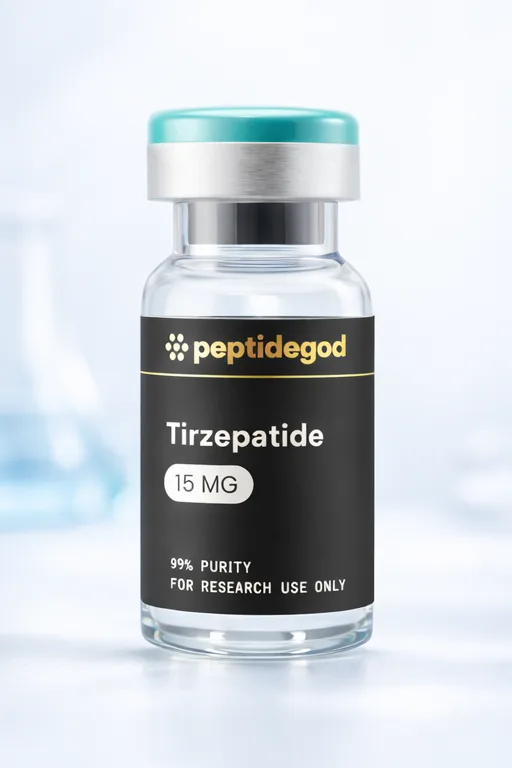
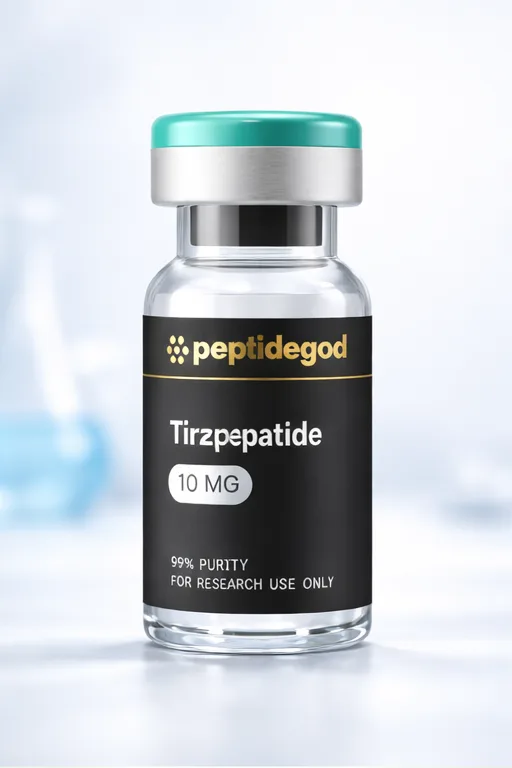
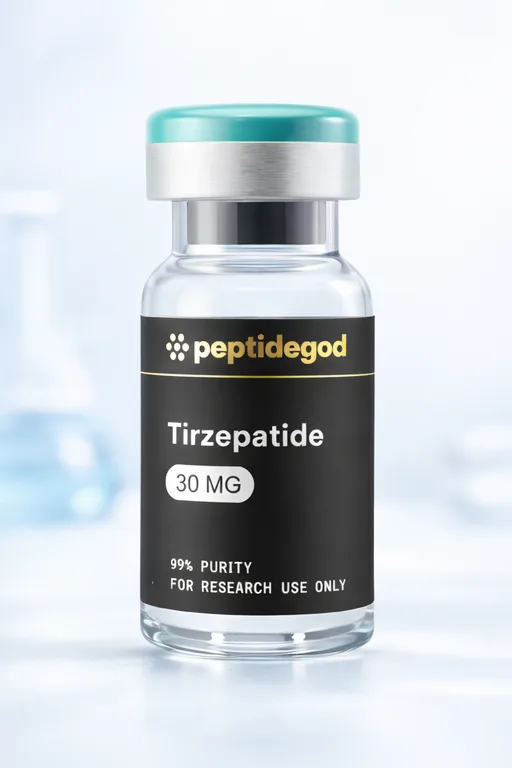
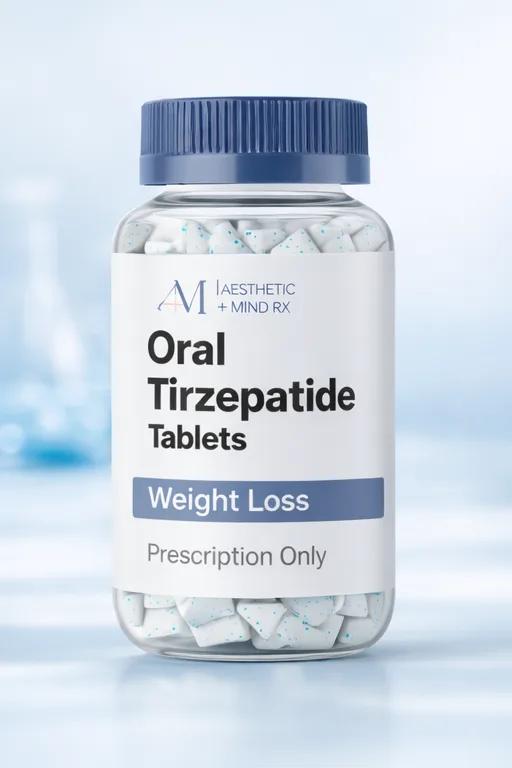
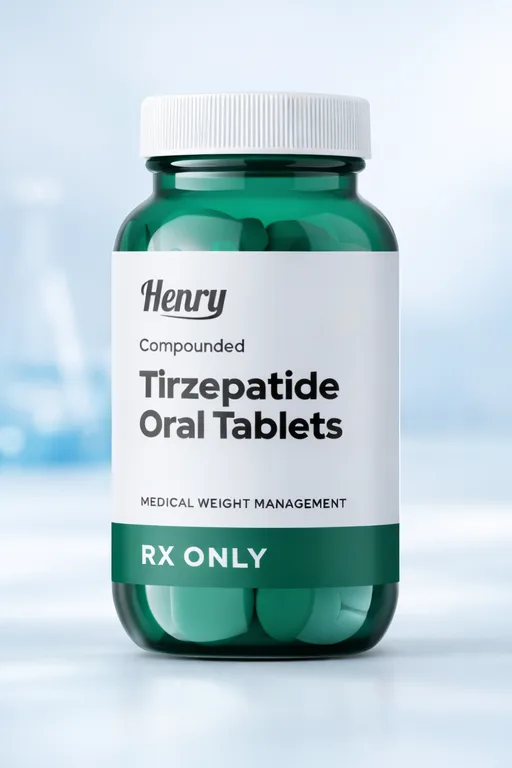
See top-rated vendors
Compare prices, purity and shipping at a glance.
Reviewed by the Tirzepatide Peptide Research Team · Last updated May 2026
References & Scientific Sources
- Ludvik B, et al. Tirzepatide versus insulin degludec (SURPASS-3). Lancet. 2021.
- Del Prato S, et al. Tirzepatide versus insulin glargine (SURPASS-4). Lancet. 2021.
- Coskun T, et al. Tirzepatide, a dual GIP/GLP-1 receptor agonist: mechanism. Mol Metab. 2018.
Sources are provided for educational reference. This content is informational and not a substitute for professional medical advice.